

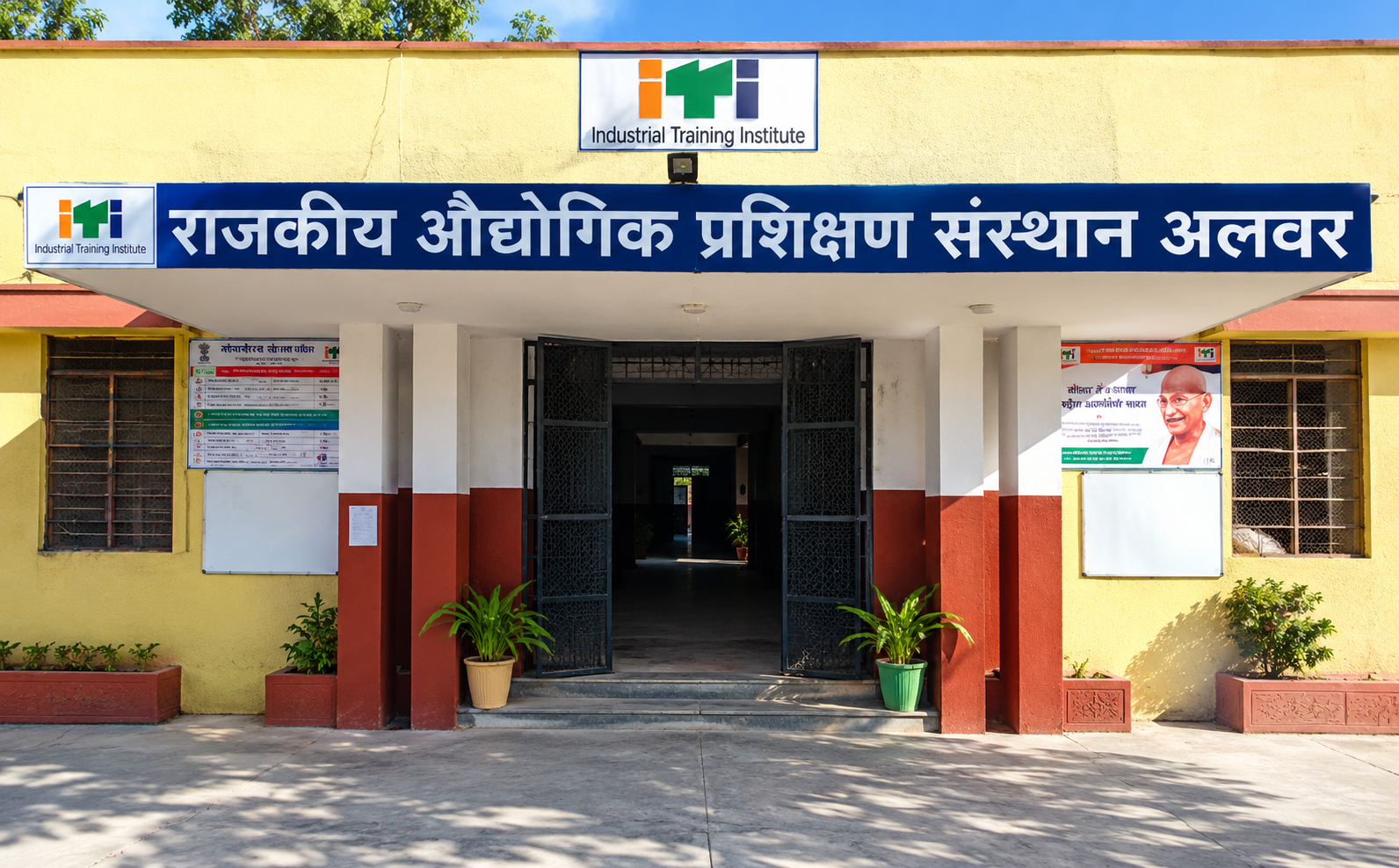
A government grade does not guarantee a job. It indicates an institute’s performance against the government’s scoring rules. It does not tell students what happens to trainees after they complete their training.
The 2026–27 grading methodology of The Directorate General of Training assigns 30 per cent of an ITI’s grade to admissions and another 30 per cent to examination pass rates. The remaining 40 per cent is divided among six measures, including female admissions, trade diversity, participation and marks in computer-based examinations, enrolment in the Dual System of Training and admissions of SC/ST and persons with disabilities.
Strangely, graduate placements and earnings do not figure in the grading methodology at all. Even enrolment in the Dual System of Training does not measure employment after training. It merely records participation in industry-linked training.
This distinction is important because Rajasthan is set to invest Rs. 241 crore in upgrading five government ITIs in Bhiwadi, Alwar, Neemrana, Tijara and Kishangarh Bas. The proposed courses include electric vehicles, drones, and robotics.
While new courses and equipment could improve employment opportunities, their benefits need to be supported by evidence. But the grading framework offers no evidence of whether trainees find jobs after completing their courses.
Before enrolling, students need clear information about their prospects: how many trainees secured paid jobs or apprenticeships, what they earned and how many remained employed. Merely naming recruiting companies does not provide that evidence.
A government grade allows students to compare institutes against official criteria. But what they really need to know is whether the training leads to meaningful employment. Who will answer that question if not the institutes themselves?